
For whatever reason, certain old relics of the Roman Empire have pulled me towards them. The Aya Sofia, the Pont du Gard, various ruins in Africa and the Mideast, not to mention all of the good stuff in Italy.
But the wall that Hadrian built...well, that's just special. The idea was to put a firm barrier between the end of the Roman empire and the barbarian tribes of the North. The narrowest part of what is now England became a huge military zone as legions of soldiers constructed this enormous wall stretching from sea to sea over 86 miles. It was well-fortified, with forts and milecastles and manned turrets keeping a watchful eye to the lonely north. Somehow, this only took six years to build, and considering that it was 10-20 feet wide and 11 feet high, with taller structures spaced out evenly along the wall, I stand impressed. It takes me a year to make a pair of socks sometimes.
By AD 410, Rome had started to collapse. The northern frontier was abandoned, and the enormous wall was scavenged for building material over the centuries, knocked down to make way for roads, and cleared away for easier passage to the now-civilized North.
Today, parts of the wall still stands, bravely, against the elements. Its surrounded by houses and towns and castles built with recycled wall stone. It's a well-trodden National Trail that you can follow across England, and a UNESCO site.
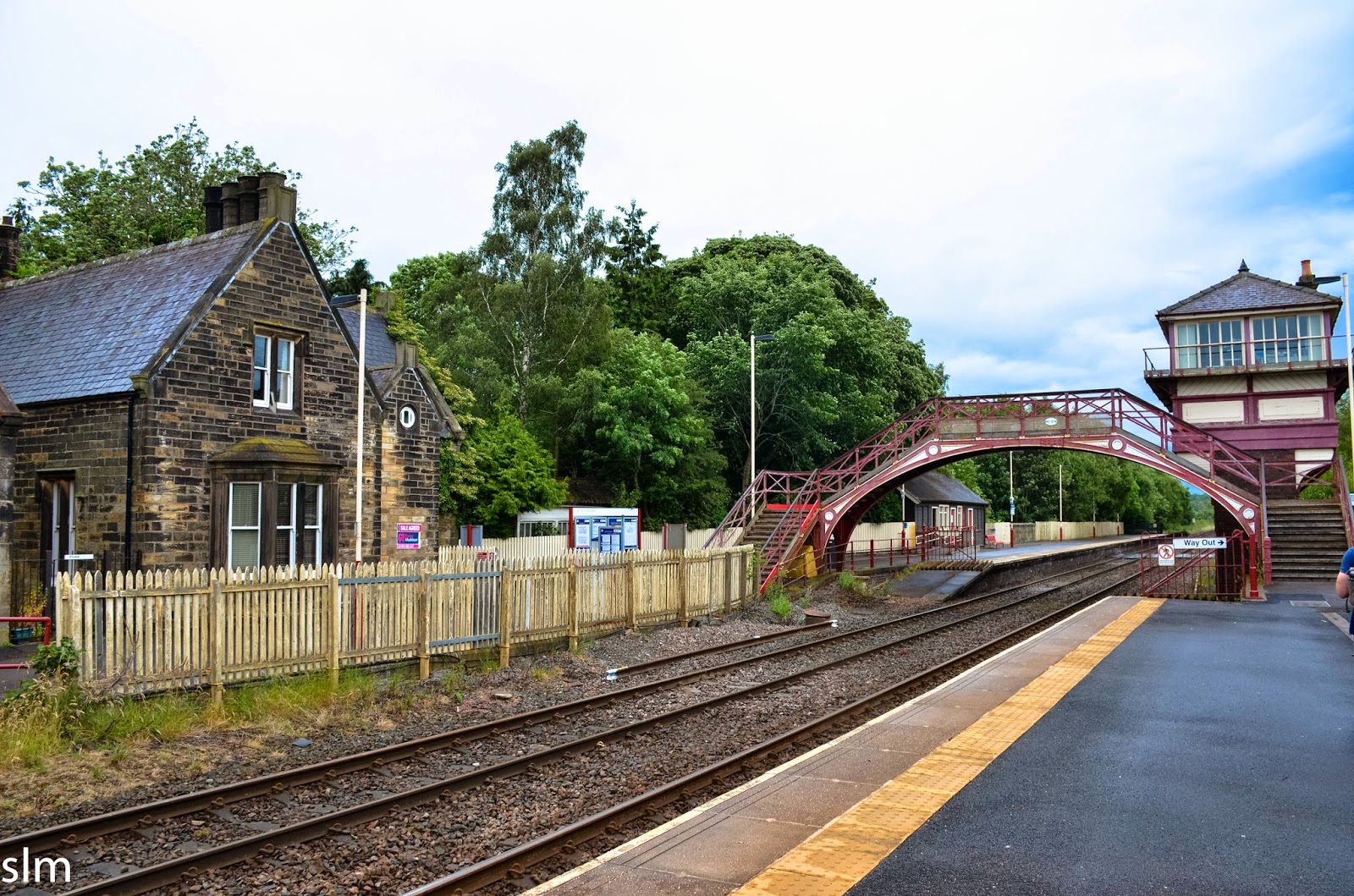
I decided I was going to walk this trail.
At first, my plan was to walk the entire thing from coast to coast. After doing some research, I dropped that idea in favor for just walking the middle section. Here, the wall remains more intact, the countryside wilder. Lopping off the two big cities at the ends saves a couple days of having to walk through urbananity: Carlisle and Newcastle, neither have ever been mistaken for being "The Paris of the North". Kind of cheating, but I really dislike roadside hiking, and I'd rather get right to the good stuff.

I hemmed and hawed and planned my route with some web resources and an OS map. I decided to plan the trip from West to East as to have the wind at our backs- its much easier to have the rain pelting your backside then bearing the brunt of it with your eyes peering out under your hood, and it can be exausting walking for days head-on with the wind.
We started out taking the train from London to Newcastle. This would have been fine except everyone and their mothers was trying to get up North to Leeds to catch the start of the Tour de France. Thanks, France. Three hours on a cramped, airless, body-odor sealed tube did not a happy camper make. It seemed like everywhere you turned, there was an elbow to knock into.
Once we hit Newcastle; cool damp bliss. We hopped a local train another hour and a half to the town of Haltwhistle, on the Cumbria Northumberland border.
This is a former mining area, with rows and rows of houses, built kissing-close and identical, yet surrounded by countryside.

Our first night was in the tiny hamlet of Greenhead, and we used the OS map to connect footpaths to stay off the main roads as much as possible to get there.
We were also very close the the Cheviot region, and there were lots of Cheviot sheep to be seen, along with Leicester Longwools, Dales, Blackface and Blueface Leicesters.


And there were birds! I saw a spectacular amount of birds. Oddly enough, not a single bird of prey, but pretty much everything else.
 |
| Oystercatcher |

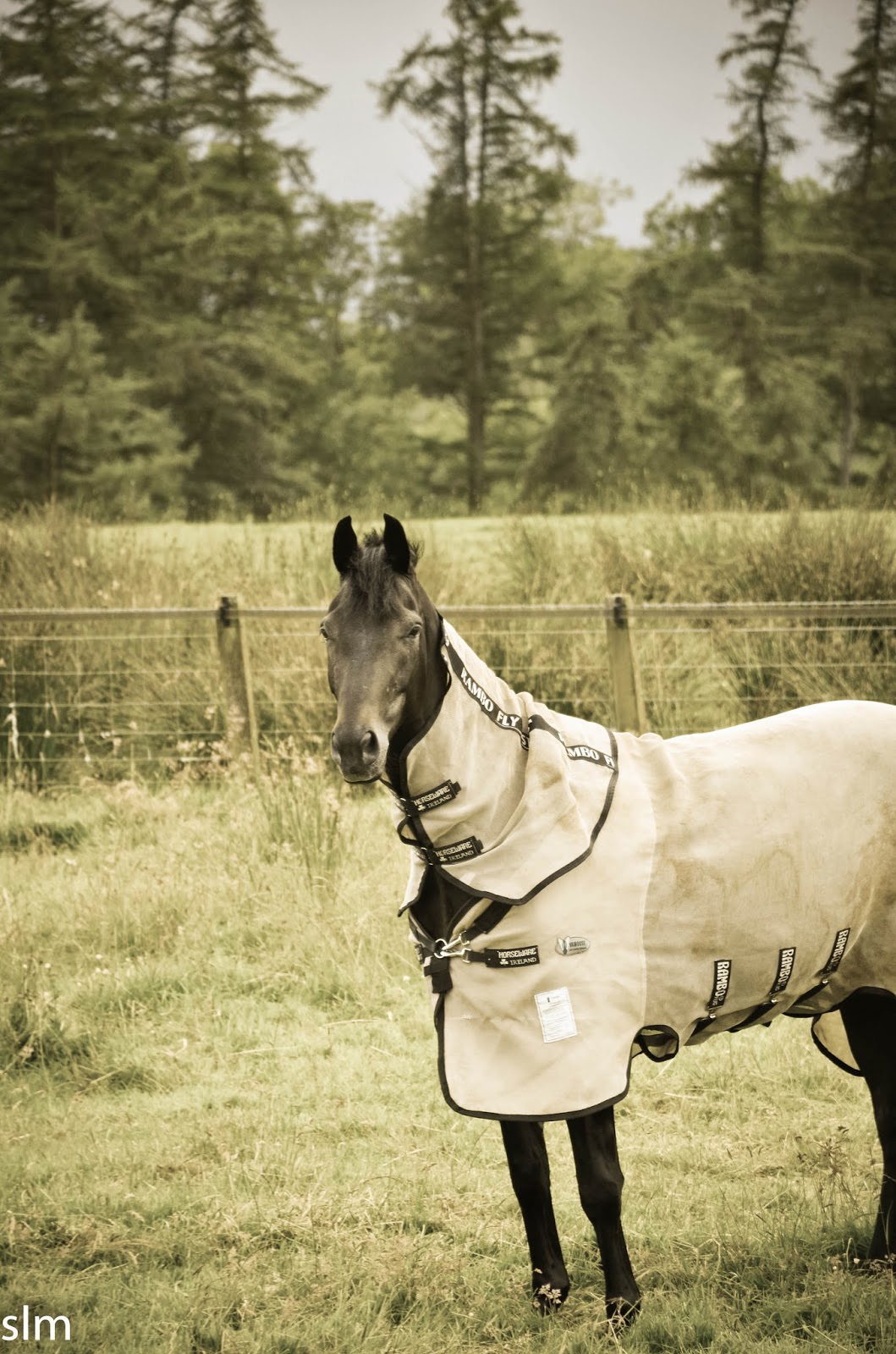 |
| Even the horses wear Macs here... |

Once again, I was amazed at just how lovely the countryside is here. Never as dramatic as Switzerland, but just bucolic and postcard-pretty.

It was a lonely walk. We saw no one except a couple passing motorist the entirety of the 6 mile amble. It's always amazing that in a tiny country of 53 million, you can walk for hours and not see a soul.


 |
| Lapwings |


We ended up taking a round-about way on public bridleways and joined up with the Hadrian's wall trail for a bit. After that hellish first train ride, I was more than happy to stretch my legs and get a couple of hills in. In the distance, the ridgeline with the remaining bits off wall stretching across the top.


Most of what remains in parts of the wall from this place onward is a large ditch that was dug for extra defense, and sometimes, nothing remained at all as years of road building and human activity tamped out any remaining trace of it. In the distance, you can see the tiny hamlet of Greenhead: a neat cluster of former miner's homes. There were many, many cows who stupidly watched us pass, and one enormous bull. They don't seem to care at all that we are nearby, but perhaps all the ultra-aggressive bulls I've seen in Arles and beyond always makes me a bit jittery to be walking right past one in such an open area.

 |
| Moo. |
 |
| The ditch that some very determined Romans dug |

Thankfully, Nigel at the Four Wynds was friendly and accommodating and knowledgeable about the area, and happy to give us the low-down on prehistory Avalonia to the Romans to the coal industry, all the way up to the nearby rocket building site nearby.

I can imagine this being a very cold, dark and tiring place in January. But on a breezy cool day in early July, I couldn't imagine anyplace finer. We dropped our bags and headed another mile down the road to the only pub in town for a cozy pint and eat-it-and-like-it-or-else sort of food.


